How to identify a coin: read the evidence before naming it
Identify an unfamiliar coin using both sides, inscriptions, dates, edges and official references, with clearly scoped examples from the United States, UK and euro area.
Five practical guides for unfamiliar coins, clearer photographs and careful research. Country and issue examples are labeled. Start with what is visible, then check an independent reference.
Begin with both sides, readable inscriptions and a record of uncertain details.
Start the identification guide
Identify an unfamiliar coin using both sides, inscriptions, dates, edges and official references, with clearly scoped examples from the United States, UK and euro area.

Read a small coin mark in its country, year and issue context. Compare mint marks, privy marks and designer initials without turning a letter into a rarity claim.
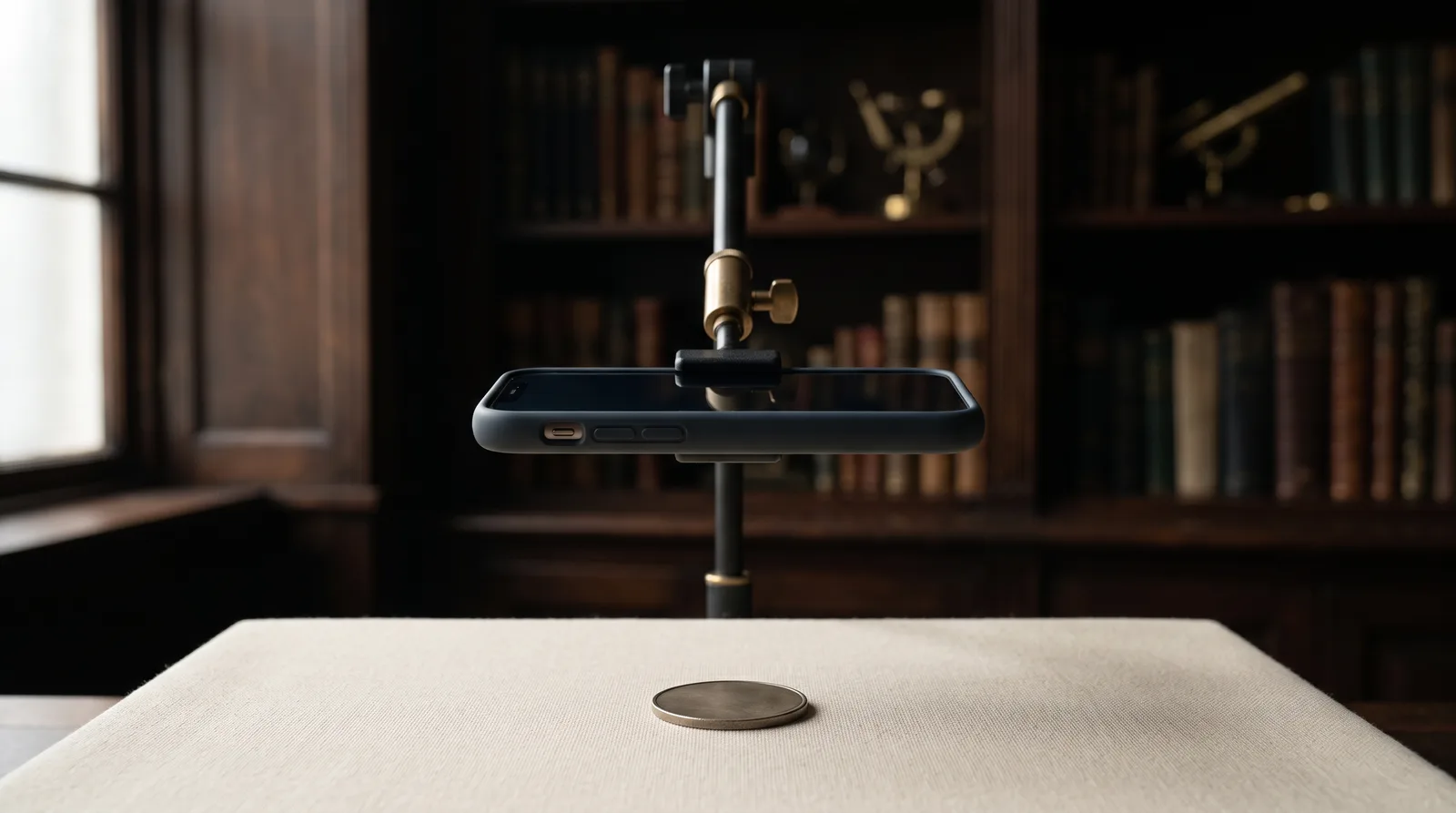
Make clear coin photographs with a phone: show both sides, preserve the rim, control glare and keep uncertain details visible without cleaning the coin.
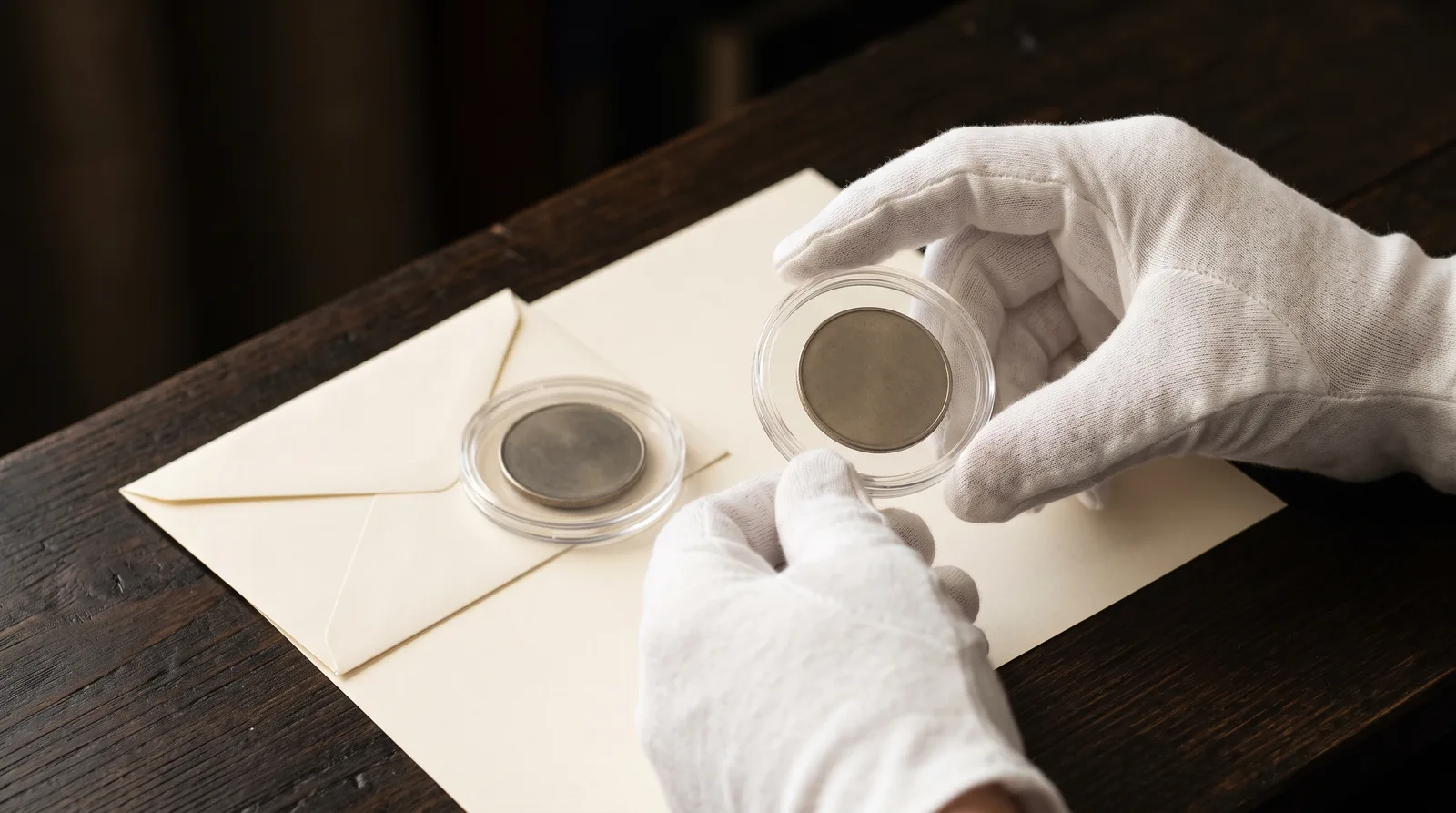
Keep found or inherited coins organized and avoid unnecessary surface treatment. Learn safe handling, storage and documentation before identification or professional assessment.
Understand why a coin photograph cannot verify value. Compare issue, grade context, genuine sale evidence and currency before treating a number as useful.
Coin Says Hi can suggest a possible match and checks to make next. It does not authenticate, grade or value coins.
Choose coin photosOfficial mints, institutional conservation guidance and grading services support the relevant claims. Examples apply to the stated country and issue. Practical record-making steps are identified as editorial methods.
Coin Says Hi offers possible photo readings. It does not authenticate, grade, or value coins.